Abstract
Biomolecular condensates formed through liquid–liquid phase separation (LLPS) have emerged as important organizers of intracellular biochemical processes, enabling the spatial compartmentalization of cellular reactions without membrane-bound structures. Recent studies suggest that metabolic enzymes, including those involved in glycolysis, can assemble into dynamic condensates that may regulate metabolic activity. This study presents a systematic review aimed at synthesizing experimental evidence on the role of biomolecular condensates in the organization of glycolytic enzymes and the regulation of central carbon metabolism. A comprehensive literature search was conducted using PubMed, Scopus, and Embase databases, covering studies published between 2016 and 2025. Following systematic screening based on predefined inclusion criteria, six studies were included in the final qualitative synthesis. The findings demonstrate that glycolytic enzymes can form phase-separated condensates under various cellular conditions, including hypoxia, osmotic stress, growth factor signaling, and viral infection. These condensates exhibit key properties of liquid-like behavior and may contribute to the spatial organization of metabolic pathways. Evidence from the included studies suggests that enzyme condensation may facilitate coordinated metabolic responses, although direct measurements of metabolic flux remain limited. In conclusion, phase separation represents a potential mechanism for the spatial regulation of glycolysis and metabolic pathways. Further research is required to clarify the biophysical properties and functional implications of metabolic enzyme condensates in cellular metabolism.
Keywords
Biomolecular Condensates, Liquid–liquid Phase Separation, Glycolysis, Metabolic Regulation, Enzyme Clustering
1. Introduction
1.1. Cellular Metabolism and Central Carbon Pathways
Metabolism at the cellular level is critical to the survival and proper functioning of living organisms, facilitating the process by which nutrients are converted to energy and vital bio-molecules necessary for growth, maintenance, and cellular homeostasis. Among the numerous metabolic pathways that are integral to life, glycolysis has been established to be one of the most evolutionarily conserved biochemical reactions, acting as the major pathway for glucose metabolism across a wide range of organisms
| [1] | Alberti S, Gladfelter A, Mittag T. Considerations and challenges in studying liquid-liquid phase separation and biomolecular condensates. Cell. 2019; 176(3): 419-434.
https://doi.org/10.1016/j.cell.2018.12.035 |
| [2] | Banani SF, Lee HO, Hyman AA, Rosen MK. Biomolecular condensates: organizers of cellular biochemistry. Nat Rev Mol Cell Biol. 2017; 18(5): 285-298.
https://doi.org/10.1038/nrm.2017.7 |
[1, 2]
. In this process, which involves several enzymatic steps, glucose is converted to pyruvate with the concomitant production of ATP and reducing equivalents in the form of NADH. These products are vital to numerous cellular functions. Despite the significant knowledge base established on glycolytic biochemistry, little is known about the mechanisms that govern the proper cellular organization of glycolytic enzymes to optimize cellular metabolism.
Traditionally, metabolic enzymes that catalyze the process of glycolysis have been thought to act as free-diffusing molecules in the cell cytosol where enzymatic reactions occur as a result of random collisions between the enzymes and their substrates
| [1] | Alberti S, Gladfelter A, Mittag T. Considerations and challenges in studying liquid-liquid phase separation and biomolecular condensates. Cell. 2019; 176(3): 419-434.
https://doi.org/10.1016/j.cell.2018.12.035 |
[1]
. In the classical view of metabolic enzyme action, the distribution of metabolic enzymes is homogeneous throughout the cell cytoplasm. Metabolic flux is thought to be regulated by the concentration of the enzymes and the availability of substrates. However, this view is challenged by recent evidence that metabolic pathways may be organized in the cell as a result of transient enzyme structures
.
Early biochemical studies introduced the concept of metabolons, which refer to dynamic multienzyme complexes that facilitate the sequential transfer of substrates between enzymes within a metabolic pathway
. These assemblies allow metabolic intermediates to be passed directly from one enzyme to the next without diffusing into the surrounding cytosol, a phenomenon commonly referred to as substrate channeling. By reducing diffusion distances and limiting the loss of intermediates, metabolons can enhance the efficiency of metabolic reactions and improve pathway regulation
. Despite the theoretical significance of this concept, the molecular mechanisms underlying the formation of such enzyme assemblies remained poorly understood for many years.
1.2. Biomolecular Condensates and Liquid–Liquid Phase Separation
Recent advances in cell biology have revealed that intracellular processes are often compartmentalized by the formation of biomolecular condensates, which are membrane-less compartments formed by the process of LLPS
. LLPS is the process by which biomolecules, such as proteins and nucleic acids, de-mix from the surrounding cytoplasm to form dense droplets that coexist with the surrounding cytoplasm. Biomolecular condensates are distinct membrane-bound organelles because they are not enclosed by a lipid membrane; however, they can be involved in the compartmentalization of biochemical reactions to different regions of the cell
.
These condensates have distinct physical properties, such as dynamics, rapid exchange of molecules with the surrounding cytoplasm, and fusion or dissolution in response to changes in the environment
| [10] | Li P, Banjade S, Cheng HC, Kim S, Chen B, Guo L, et al. Phase transitions in the assembly of multivalent signalling proteins. Nature. 2012; 483: 336-340. https://doi.org/10.1038/nature10879 |
[10]
. As a result, the structures are proposed to form due to weak, multivalent interactions between disordered parts of proteins, RNA, and other macromolecules that ultimately lead to phase separation
. The ability of biomolecular condensates to form and dissolve in response to changes in their environment makes them an essential tool for the regulation of molecular interactions and biochemical reactions in response to environmental or physiological signals.
The discovery of LLPS has revolutionized the way in which the internal architecture of the cell is viewed, and it has shown us that there is a possibility of various cell processes such as transcriptional regulation, RNA processing, stress responses, and signal transduction happening through the process of biomolecular condensates
| [12] | Jeon M, Chauhan KM, Szeto GL, Kyoung M, An S. Subcellular regulation of glucose metabolism through multienzyme glucosome assemblies by EGF-ERK1/2 signaling pathways. J Biol Chem. 2022; 298(3): 101675.
https://doi.org/10.1016/j.jbc.2022.101675 |
| [13] | Kohnhorst CL, Kyoung M, Jeon M, Schmitt DL, Kennedy EL, Ramirez J, et al. Identification of a multienzyme complex for glucose metabolism in living cells. J Biol Chem. 2017; 292: 9191-9203. https://doi.org/10.1074/jbc.M117.783050 |
[12, 13]
. This new perspective shows the possibility of the existence of a general mechanism for the spatial organization of complex cell processes through the process of phase separation.
1.3. Evidence for Phase Separation in Metabolic Enzyme Organization
While biomolecular condensates have traditionally been viewed as structures related to nucleic acid metabolism, recent research has suggested that the metabolic enzymes may have a part to play in the phase-separated structures that modulate metabolism. An example of this is the clustering of several glycolytic enzymes in dynamic cellular structures, suggesting that phase separation plays a part in the spatial organization of metabolism.
One of the first forms of such compartments was the glycolytic bodies (G-bodies) formed in yeast cells. In hypoxic conditions, several glycolytic enzymes aggregate in the cell and form compartments with liquid-like properties in the cytoplasm of the cell
| [14] | Fuller GG, Han T, Freeberg MA, Moresco JJ, Ghanbari Niaki A, Roach NP, et al. RNA promotes phase separation of glycolysis enzymes into yeast G bodies in hypoxia. eLife. 2020; 9: e48480. https://doi.org/10.7554/eLife.48480 |
[14]
. These glycolytic bodies contain the main glycolytic enzymes and seem to allow the adaptation of the metabolism of the cell in hypoxic conditions by compartmentalizing the enzymatic reaction in a cellular compartment.
Similarly, the presence of similar structures, termed glucosomes, has been identified in mammalian cells, where they have been found to play an important role in the regulation of glycolytic metabolism. It has been found that the formation of glucosomes is regulated by various signaling mechanisms, including the epidermal growth factor signaling pathway, which is responsible for the regulation of metabolic activity through the ERK1/2-dependent regulation of enzyme clustering
. Therefore, it appears that the process of enzyme clustering may play an important role in the regulation of cellular metabolism.
Subsequent studies have also shown that metabolic condensates can arise from a variety of cellular conditions, such as osmotic stress, viral infection, and immune activation. For example, scaffold proteins that are capable of phase separation can interact with glycolytic enzymes to form condensates that are involved in cytoskeletal remodeling in response to osmotic stress
| [17] | Zu G, Xing Z, Li J, Yang T, Wu H, Ge Q, Wang Y, Song B, Song R. Tomato spotted wilt virus reprogrammes host glycolysis to facilitate proliferation by a phase-separated co-aggregate of nucleocapsid protein and phosphoglycerate kinase. Plant Biotechnol J. 2026. https://doi.org/10.1111/pbi.70529 |
[17]
. Viral proteins have also been shown to interact with host cells to form phase-separated structures that contain glycolytic enzymes in order to increase viral replication by hijacking host cell metabolic pathways
| [18] | Zhang W, Zhou K, Chen P, Du X, Liu M. Phase separation competent TIA1 couples glycolytic shutdown to CD8+ T-cell activation and shapes the efficacy of intravesical BCG in bladder cancer. Biology (Basel). 2025; 14(11): 1576.
https://doi.org/10.3390/biology14111576 |
[18]
. RNA-binding proteins that are capable of LLPS have also been shown to regulate glycolytic metabolism in immune cells in response to activation
.
Collectively, these studies offer strong evidence for the notion that phase separation could play a key role as a mechanism for organizing metabolic enzymes within the cell, and for the dynamic regulation of metabolic pathways in response to environmental or physiological signals.
1.4. Conceptual Framework: Phase Separation–Mediated Organization of Glycolytic Enzymes
The aforementioned emerging evidence indicates that glycolytic enzymes may change from a dispersed form within the cytosol to a structured form within biomolecular condensates through a process known as LLPS. In the absence of phase separation, these metabolic enzymes will be present as individual molecules within the cytosol. However, under certain physiological conditions, these metabolic enzymes, along with other scaffolding proteins and nucleic acids, may be present as a result of weak multivalent interactions. As the interaction increases, these clustered forms of the enzyme will be present through a process known as phase separation.
Amongst the condensates, the capability of HK, PFK, ALD, PGK, and PK to form clusters of multienzymes enhances the efficiency of their metabolic activities. The close proximity of the enzymes to one another may facilitate the substrate channeling of the intermediates from one enzymatic reaction to the next, thereby reducing the diffusion of the intermediates into the cytosol
| [20] | Wheeldon I, Minteer SD, Banta S, Barton SC, Atanassov P, Sigman M. Substrate channelling as an approach to cascade reactions. Nat Chem. 2016; 8(4): 299-309.
https://doi.org/10.1038/nchem.2459 |
[20]
.
Furthermore, the dynamic nature of LLPS allows these condensates to form or disassemble immediately in response to changes in the conditions of the cell, e.g., changes in the level of oxygen, nutrients, and cell stress. This dynamic nature of the condensates provides a new level of metabolic pathway regulation by allowing the pathways to change as the cell requires.
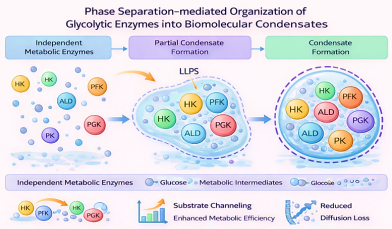
The conceptual model shown in
Figure 1 illustrates the process by which distinct glycolytic enzymes move from their dispersed state in the cytosol to a partially condensed state and then to a fully formed biomolecular condensate through the process of LLPS.
Figure 1. Organization of glycolytic enzymes by phase separation. The glycolytic enzymes are in an unorganized state in the cytoplasm of the cell. The glycolytic enzymes, upon LLPS, get organized in a condensed state. The glycolytic enzymes are in an organized state in the condensed form, i.e., as biomolecular condensates. The glycolytic enzymes that are organized in the condensed state are HK, PFK, ALD, PGK, and PK.
Despite the current recognition of the function of biomolecular condensates in cellular organization, the function of phase separation in coordinating the activity of metabolic enzyme regulation remains poorly understood. Even though various experimental research has demonstrated the condensation of glycolytic enzyme regulation in particular cellular conditions, a comprehensive discussion of the mechanisms, triggers, and functions of condensates in metabolic enzyme regulation has not been explored.
Therefore, it is necessary to carry out an in-depth analysis of the results obtained in the course of the experiment with the aim to determine if this process should be considered a general mechanism for spatial organization of glycolytic metabolism. The aim of this review is to attempt to present a new perspective on the role of bio-molecular condensates by unifying the results obtained on different biological systems.
1.5. Objective of the Systematic Review
However, despite this increase in scientific literature regarding metabolic enzyme condensation, the current understanding regarding this area is piecemeal based on the information that is currently derived from individual scientific studies that have been conducted on a wide range of organisms. Therefore, there is a clear requirement to synthesize the current understanding regarding this area to obtain a better understanding regarding the biological significance of this area of research.
The current systematic review will aim at synthesizing the experimental evidence regarding the formation of condensates of glycolytic enzymes with respect to central carbon metabolism. This review will aim at offering a clear understanding regarding the biological significance with respect to the process of phase separation.
This review will aim at synthesizing the experimental evidence regarding the understanding of the process of phase separation with respect to the organization of glycolytic enzymes with respect to metabolic regulation. This will aim at offering a clear understanding regarding the biological significance with respect to this area of research.
2. Materials and Methods
2.1. Study Design
This research was conducted as a systematic review with the aim of synthesizing the existing experimental evidence regarding the development and functional implications of biomolecular condensates that contain glycolytic enzymes and central carbon metabolism. A systematic review is conducted following the Preferred Reporting Items for PRISMA. This is a framework that enables the identification, filtering, and synthesis of studies.
2.2. Literature Search Strategy
The literature search was conducted by using three online information resources, namely PubMed, Scopus, and Embase. The literature search was conducted to identify the literature that investigated biomolecular condensates, LLPS, and the spatial organization of glycolytic enzymes.
The literature search key words were based on the combination of key words that were relevant to the process of phase separation. These included terms such as “phase separation,” “liquid–liquid phase separation,” “biomolecular condensates,” “glycolytic enzymes,” “glycolysis,” “glucosome,” “G-bodies,” and “metabolic enzyme clustering.” Boolean operators (AND/OR) were used to combine search terms in order to maximize the retrieval of relevant studies across the selected databases. The search was restricted to peer-reviewed articles published between 2016 and 2025, reflecting the recent emergence of research investigating phase separation in metabolic regulation. The detailed search strategies used for each database are provided in Appendix 1.
2.3. Eligibility Criteria
Studies were included in the review if they met the following criteria:
1) Investigated glycolytic enzymes or central carbon metabolism enzymes
2) Examined biomolecular condensates or liquid–liquid phase separation
3) Reported experimental evidence of enzyme clustering or condensate formation
4) Were peer-reviewed primary research articles
5) Published in English
Studies were excluded if they:
1) Were review articles, editorials, or conference abstracts
2) Focused on non-metabolic condensates unrelated to glycolysis
3) Reported computational modelling without experimental validation
4) Lacked evidence of dynamic phase separation
Studies involving non-glycolytic proteins or condensates unrelated to central carbon metabolism were excluded during full-text screening to ensure strict adherence to the study scope.
2.4. Study Selection Process
All retrieved records were then imported into Covidence, a software for systematic review. Duplicates were automatically identified and deleted before the screening process.
Title and abstract screening were carried out to identify potentially relevant records based on the predetermined inclusion criteria. Articles that met the inclusion criteria at this stage were retrieved for the next step. Articles were then screened at the full-text level to ascertain their inclusion in the final synthesis. Articles were excluded at the full-text level if there was no evidence for liquid-liquid phase separation, glycolytic enzyme involvement, or inaccessibility of the full text.
2.5. Data Extraction
Data extraction was performed using a structured extraction template developed within Covidence. The extraction process collected key information from each included study, including:
1) Study identification details (author, year, journal)
2) Experimental model system (e.g., yeast cells, mammalian cells, plant cells)
3) Experimental techniques used to identify condensates
4) Molecular triggers of condensate formation
5) Glycolytic enzymes involved in condensate assembly
6) Functional outcomes related to metabolic regulation
The extracted data were summarized and organized into a study characteristics table to facilitate comparison across studies.
2.6. Data Synthesis
Due to the limited number of existing research works and the diversity of experimental models used, a qualitative analysis was performed. The results obtained by the included studies were analyzed to identify the mechanisms of enzyme condensate formation, the triggers for phase separation, and their functional consequences for metabolic regulation.
The process for selecting the study and its results, as well as the outcome of the screening process, are presented in a PRISMA flow diagram.
The information provided under the Materials and Methods section seems to be of a comprehensive kind to allow other researchers to reproduce this research and enhance the research findings. If there are other methods used in this research, subheadings can be used.
2.7. Data Availability
No supplementary materials were generated for this study. All data analyzed in this systematic review were obtained from previously published studies and are fully presented within the manuscript.
3. Results
3.1. Study Selection
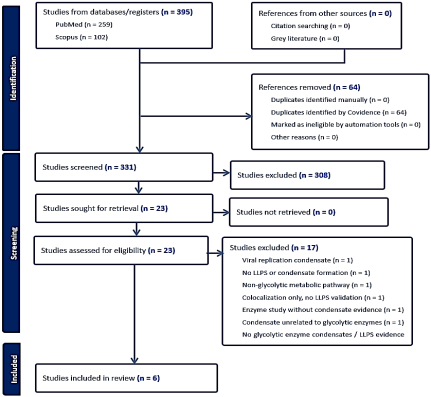
Figure 2. PRISMA flow diagram illustrating the study selection process.
A total of 395 records were identified based on the systematic literature search carried out on the three electronic databases. Following the removal of 64 duplicate records, the total number of records to be screened at the title and abstract level amounted to 331. During the initial screening stage, a total of 308 records were found to be excluded due to the lack of fulfillment of predetermined criteria. The main reasons for exclusion were the lack of experimental evidence to support the formation of biomolecular condensates, studies carried out on unrelated cellular condensates, and the lack of involvement of glycolytic and central carbon metabolism enzymes. Studies investigating condensates unrelated to glycolytic or central carbon metabolism were excluded to maintain consistency with the predefined inclusion criteria.
A total of 23 full-text articles were then screened for inclusion. A total of 17 studies were excluded after careful assessment of the full text articles. The reasons for exclusion were mostly studies that examined the process of protein aggregation without evidence of LLPS, studies that examined gene expression or metabolic profiling without evidence of the mechanistic process of enzyme condensation, and studies that used non glycolytic metabolic enzymes.
Finally, a total of six studies were deemed to have met the inclusion criteria and were used as the basis of the qualitative synthesis of this systematic review. These studies were found to have provided the evidence that explained the process of bi-molecular condensate formation with the use of glycolytic enzymes, as well as the functional role of this process, across the biological system. The process of selecting the studies is shown in the PRISMA flow chart. (
Figure 2).
3.2. Characteristics of Included Studies
The six studies included in this review article were carried out between 2017 and 2026, reflecting the recent appearance of research into the process of phase separation in the organization of metabolic enzyme structure. Various experimental systems have been employed in the included research, including yeast cells, mammalian cell cultures, plant cells, and immune cells, demonstrating biological significance when it comes to condensation of metabolic enzyme structures. All included studies specifically investigated glycolytic enzymes or central carbon metabolism, ensuring alignment with the review objectives.
Of the included research, several studies have specifically focused on the process of glycolytic enzyme condensate formation in response to cellular stress, as well as the process of enzyme condensation in the regulation of metabolic signaling and pathogen host interactions. Various methodologies were employed in the included research, including live cell fluorescence microscopy, FRAP, biochemical assays, and genetic manipulation.
The studies that were included in the review examined different glycolytic enzymes, and these include HK, PFK, ALD, PGK, and PK, which are all part of the glycolytic pathway. These studies showed that the enzymes are part of the dynamic intracellular condensates that had properties that are similar to LLPS, and they are spherical in nature, dynamic, and reversible in nature.
The included studies (Jeon et al.
| [12] | Jeon M, Chauhan KM, Szeto GL, Kyoung M, An S. Subcellular regulation of glucose metabolism through multienzyme glucosome assemblies by EGF-ERK1/2 signaling pathways. J Biol Chem. 2022; 298(3): 101675.
https://doi.org/10.1016/j.jbc.2022.101675 |
[12]
, Fuller et al.
| [14] | Fuller GG, Han T, Freeberg MA, Moresco JJ, Ghanbari Niaki A, Roach NP, et al. RNA promotes phase separation of glycolysis enzymes into yeast G bodies in hypoxia. eLife. 2020; 9: e48480. https://doi.org/10.7554/eLife.48480 |
[14]
, Jin et al.
, Yang et al.
, Zu et al.
| [17] | Zu G, Xing Z, Li J, Yang T, Wu H, Ge Q, Wang Y, Song B, Song R. Tomato spotted wilt virus reprogrammes host glycolysis to facilitate proliferation by a phase-separated co-aggregate of nucleocapsid protein and phosphoglycerate kinase. Plant Biotechnol J. 2026. https://doi.org/10.1111/pbi.70529 |
[17]
, and Zhang et al.
| [18] | Zhang W, Zhou K, Chen P, Du X, Liu M. Phase separation competent TIA1 couples glycolytic shutdown to CD8+ T-cell activation and shapes the efficacy of intravesical BCG in bladder cancer. Biology (Basel). 2025; 14(11): 1576.
https://doi.org/10.3390/biology14111576 |
[18]
) are summarized in
Table 1.
Table 1. Characteristics of studies investigating phase-separated metabolic enzyme condensates.
Study | Year | System | Trigger | Scaffold | Key Finding |
Fuller | [14] | Fuller GG, Han T, Freeberg MA, Moresco JJ, Ghanbari Niaki A, Roach NP, et al. RNA promotes phase separation of glycolysis enzymes into yeast G bodies in hypoxia. eLife. 2020; 9: e48480. https://doi.org/10.7554/eLife.48480 |
[14] | 2020 | Yeast | Hypoxia | RNA | RNA promotes G-body formation |
Jeon | [12] | Jeon M, Chauhan KM, Szeto GL, Kyoung M, An S. Subcellular regulation of glucose metabolism through multienzyme glucosome assemblies by EGF-ERK1/2 signaling pathways. J Biol Chem. 2022; 298(3): 101675.
https://doi.org/10.1016/j.jbc.2022.101675 |
[12] | 2022 | Mammalian cells | EGF signaling | Glucosome complex | Enzyme clustering regulates metabolism |
Yang | 2024 | Mammalian cells | Hyperosmotic stress | TPM4 | Condensates supply ATP for actin remodeling |
Jin | 2017 | Yeast | Hypoxia | RNA-associated | Glycolytic enzymes form dynamic G-bodies with liquid-like properties |
Zhang | [18] | Zhang W, Zhou K, Chen P, Du X, Liu M. Phase separation competent TIA1 couples glycolytic shutdown to CD8+ T-cell activation and shapes the efficacy of intravesical BCG in bladder cancer. Biology (Basel). 2025; 14(11): 1576.
https://doi.org/10.3390/biology14111576 |
[18] | 2025 | Cancer cells | TIA1 condensation | RNA-binding protein | Glycolysis suppression enhances T-cell activation |
Zu | [17] | Zu G, Xing Z, Li J, Yang T, Wu H, Ge Q, Wang Y, Song B, Song R. Tomato spotted wilt virus reprogrammes host glycolysis to facilitate proliferation by a phase-separated co-aggregate of nucleocapsid protein and phosphoglycerate kinase. Plant Biotechnol J. 2026. https://doi.org/10.1111/pbi.70529 |
[17] | 2026 | Plant cells | Viral infection | Viral nucleocapsid + PGK | Virus hijacks glycolysis |
3.3. Formation of Glycolytic Enzyme Condensates
Some of the studies included in this review provided direct experimental evidence for the ability of glycolytic enzymes to form biomolecular condensates under particular cellular conditions. One of the first reports on this process was published for yeast cells, where hypoxic stress was found to induce the formation of glycolytic bodies (G-bodies) containing a number of glycolytic enzymes
| [14] | Fuller GG, Han T, Freeberg MA, Moresco JJ, Ghanbari Niaki A, Roach NP, et al. RNA promotes phase separation of glycolysis enzymes into yeast G bodies in hypoxia. eLife. 2020; 9: e48480. https://doi.org/10.7554/eLife.48480 |
[14]
.
These bodies are formed quickly after oxygen deprivation and exhibit liquid properties, such as fusion and dynamic assembly. Further analysis of the mechanisms involved in G-body formation revealed that RNA molecules may be involved in the promotion of enzyme condensation. RNA molecules interact with glycolytic enzymes, thus facilitating multivalent interactions between these molecules, which are responsible for phase separation and condensate formation
| [14] | Fuller GG, Han T, Freeberg MA, Moresco JJ, Ghanbari Niaki A, Roach NP, et al. RNA promotes phase separation of glycolysis enzymes into yeast G bodies in hypoxia. eLife. 2020; 9: e48480. https://doi.org/10.7554/eLife.48480 |
[14]
. This indicates that RNA molecules may act as a scaffold for enzyme condensation under these conditions.
The assembly of multienzyme assemblages, which are known as glucosomes, has been shown to be involved in the regulation of glucose metabolism by modulating various cell signaling pathways. In particular, the activation of the EGF/ERK1/2 cell signaling pathway has been demonstrated to induce the assembly of glucosome complexes, which are composed of multiple glycolytic enzymes and form dynamic intracellular clusters
| [12] | Jeon M, Chauhan KM, Szeto GL, Kyoung M, An S. Subcellular regulation of glucose metabolism through multienzyme glucosome assemblies by EGF-ERK1/2 signaling pathways. J Biol Chem. 2022; 298(3): 101675.
https://doi.org/10.1016/j.jbc.2022.101675 |
[12]
. The structures are proposed to act as a platform to integrate the activities of various enzymatic reactions related to glucose metabolism.
The condensation of glycolytic enzymes has been further supported by demonstrating the condensation of these enzymes in the context of the cell’s response to osmotic stress. In particular, scaffold proteins such as TPM4 have been shown to mediate the condensation of glycolytic enzymes following the application of a hyperosmotic stress to the cell, which facilitates the formation of enzyme-rich condensates to support cytoskeletal remodeling and energy metabolism
| [17] | Zu G, Xing Z, Li J, Yang T, Wu H, Ge Q, Wang Y, Song B, Song R. Tomato spotted wilt virus reprogrammes host glycolysis to facilitate proliferation by a phase-separated co-aggregate of nucleocapsid protein and phosphoglycerate kinase. Plant Biotechnol J. 2026. https://doi.org/10.1111/pbi.70529 |
[17]
. These results highlight the role of scaffold proteins in facilitating multivalent interactions to promote the condensation of glycolytic enzymes.
3.4. Functional Roles of Metabolic Enzyme Condensates
Apart from showing the occurrence of enzyme cluster formation, some of the studies reviewed in this article showed in-sights into the functional consequences of glycolytic enzyme condensation. One of the mechanisms that have been proposed to account for the functional importance of metabolic condensates includes substrate channeling, where substrates are transferred directly between enzymes in a metabolic pathway.
The close proximity of enzymes in condensates could enable metabolic intermediates to be transferred between enzymes without the need for them to diffuse into the cytoplasm. This could be important in increasing the efficiency of metabolism, reducing the distance that intermediates need to diffuse and reducing the chances of intermediates being lost in the cytoplasm
| [20] | Wheeldon I, Minteer SD, Banta S, Barton SC, Atanassov P, Sigman M. Substrate channelling as an approach to cascade reactions. Nat Chem. 2016; 8(4): 299-309.
https://doi.org/10.1038/nchem.2459 |
[20]
. Another advantage that could be gained from enzyme condensation is that it could increase the activity of enzymes in the cell.
Several studies also showed that condensates of enzymes can be involved in essential mechanisms of adaptation of cells to environmental stress. It should be noted that, for example, it was shown that G-bodies in yeast cells are involved in metabolic adaptation to hypoxic stress. This adaptation helps cells to preserve their metabolic activity in conditions of low levels of oxygen availability
| [14] | Fuller GG, Han T, Freeberg MA, Moresco JJ, Ghanbari Niaki A, Roach NP, et al. RNA promotes phase separation of glycolysis enzymes into yeast G bodies in hypoxia. eLife. 2020; 9: e48480. https://doi.org/10.7554/eLife.48480 |
[14]
. Another example of stress induced condensates, which are involved in mechanisms of adaptation of cells to environmental stress, are condensates induced by scaffold proteins. These condensates are involved in the regulation of dynamics of the cytoskeleton and energy metabolism of cells
| [17] | Zu G, Xing Z, Li J, Yang T, Wu H, Ge Q, Wang Y, Song B, Song R. Tomato spotted wilt virus reprogrammes host glycolysis to facilitate proliferation by a phase-separated co-aggregate of nucleocapsid protein and phosphoglycerate kinase. Plant Biotechnol J. 2026. https://doi.org/10.1111/pbi.70529 |
[17]
.
Phase separated condensates induced by RNA-binding proteins in immune cells are involved in the regulation of glycolytic metabolism. These condensates are thought to regulate the expression of enzymes of glycolytic metabolism
.
3.5. Condensate Formation in Disease and Host-Pathogen Interactions
In addition to the involvement of metabolic enzyme condensates in normal cellular physiology, they have been implicated in various disease processes and in the interaction of the host with the pathogen. For instance, in one of the studies included in this review, the involvement of viral proteins in the induction of phase-separated condensates that recruit glycolytic enzymes was shown
| [18] | Zhang W, Zhou K, Chen P, Du X, Liu M. Phase separation competent TIA1 couples glycolytic shutdown to CD8+ T-cell activation and shapes the efficacy of intravesical BCG in bladder cancer. Biology (Basel). 2025; 14(11): 1576.
https://doi.org/10.3390/biology14111576 |
[18]
.
Moreover, the involvement of RNA-binding proteins that can undergo phase separation in the regulation of glycolytic metabolism in cancer and immune cells was shown. These findings indicate that metabolic condensates may play an important regulatory role in the integration of metabolism with cellular signaling pathways.
The involvement of phase separation in various biological processes, including normal physiology, disease, and the interaction of the host with the pathogen, underscores the potential importance of the biological process of biomolecular condensates as regulatory structures that integrate metabolism with cellular signaling pathways.
3.6. Summary of Key Findings
In summary, the studies included in this systematic review provide converging evidence that glycolytic enzymes are capable of assembling into dynamic biomolecular condensates through LLPS. These condensates appear to act as spatially organized assemblies that concentrate enzymes involved in glycolysis and central carbon metabolism.
The formation of these condensates is influenced by a range of cellular conditions, including hypoxia, osmotic stress, growth factor signaling, and viral infection. Such organization may facilitate the coordination of enzymatic reactions through mechanisms such as substrate channeling and localized molecular concentration. However, direct experimental evidence linking condensate formation to enhanced metabolic flux remains limited, and these functional roles should be interpreted as plausible hypotheses rather than definitive outcomes.
Overall, the current body of evidence supports the idea that phase separation represents a potential mechanism for the spatial organization of metabolic pathways, enabling cells to dynamically respond to changing physiological conditions.
4. Discussion
4.1. Phase Separation as a Mechanism for Metabolic Organization
The results compiled and synthesized in the present systematic review add to the growing body of evidence regarding the capacity of glycolytic enzymes to form condensates via the process of LLPS and the possibility of metabolic pathways that may be organized rather than freely diffusing enzymes, or enzymes. In the context of the studies compiled and synthesized in the present systematic review, glycolytic enzymes were found to form condensates via the process of LLPS under conditions of cell culture that were hypoxic, osmotic stress, growth factor stimulation, and viral infections. These results add to the growing body of evidence regarding the role of biomolecular condensates as organizing centers for a range of biochemical reactions that occur within the cell, as embodied in the cell biology field
| [1] | Alberti S, Gladfelter A, Mittag T. Considerations and challenges in studying liquid-liquid phase separation and biomolecular condensates. Cell. 2019; 176(3): 419-434.
https://doi.org/10.1016/j.cell.2018.12.035 |
| [2] | Banani SF, Lee HO, Hyman AA, Rosen MK. Biomolecular condensates: organizers of cellular biochemistry. Nat Rev Mol Cell Biol. 2017; 18(5): 285-298.
https://doi.org/10.1038/nrm.2017.7 |
| [6] | Brangwynne CP, Tompa P, Pappu RV. Polymer physics of intracellular phase transitions. Nat Phys. 2015; 11: 899-904. https://doi.org/10.1038/nphys3532 |
[1, 2, 6]
.
It has also been recognized in recent years that the spatial organization of metabolic reactions plays an important role in enhancing the efficiency of metabolic reactions. According to the conventional model of biochemistry, it has been assumed that the enzymes of glycolytic pathways are diffusing molecules that interact with each other in a manner that is controlled by the availability of substrates and the concentration of enzymes
| [1] | Alberti S, Gladfelter A, Mittag T. Considerations and challenges in studying liquid-liquid phase separation and biomolecular condensates. Cell. 2019; 176(3): 419-434.
https://doi.org/10.1016/j.cell.2018.12.035 |
[1]
. However, recent observations regarding enzyme clustering have suggested that this model may not be accurate in all cases, as it has been shown that metabolic pathways can be compartmentalized in micro-environments within the cell. It has also been suggested that clustering of enzymes in condensates may increase the chances of enzyme-substrate interaction, thus increasing the efficiency of the reaction
. This suggests that compartmentalization of metabolic pathways may be another area that has not received due recognition in the conventional model of cell biology.
The idea of enzymes forming complexes and acting as a complex unit to perform their functions along the metabolic pathways was first proposed by the idea of metabolons, which are transient multi enzyme structures involved in the facilitation of substrate transfer between sequential catalytic reactions
. While the idea of metabolons was proposed by studies of biochemical pathways, the molecular mechanism of how these structures form was for a long time unclear. However, the mechanism of the formation of biomolecular condensates by the process of LLPS could offer a plausible mechanism for the formation of metabolons, as weak multivalent interactions between different biomolecules could lead to the formation of droplets of enzymes in the cytoplasm
| [7] | Boeynaems S, Alberti S, Fawzi NL, Mittag T, Polymenidou M, Rousseau F, et al. Protein phase separation: a new phase in cell biology. Trends Cell Biol. 2018; 28(6): 420-435.
https://doi.org/10.1016/j.tcb.2018.02.004 |
| [22] | Vander Heiden MG, Cantley LC, Thompson CB. Understanding the Warburg effect: the metabolic requirements of cell proliferation. Science. 2009; 324(5930): 1029-1033.
https://doi.org/10.1126/science.1160809 |
[7, 22]
. This could offer a framework for the dynamic assembly of metabolons and the regulation of metabolic pathways. Biomolecular condensates have been identified as key structures for the regulation of different biochemical pathways and reactions in the cell by the dynamic interaction of different biomolecules
| [29] | Mehta N, Mondal S, Watson ET, Cui Q, Chapman ER. The juxtamembrane linker of synaptotagmin 1 regulates Ca2+ binding via liquid-liquid phase separation. Nat Commun. 2023; 14: 44414. https://doi.org/10.1038/s41467-023-44414-5 |
[29]
.
4.2. Environmental and Cellular Triggers of Glycolytic Condensates
Based on the studies included in the present review, it can be concluded that glycolytic enzyme condensates are often activated by environmental or cellular stress conditions. The most commonly described stress conditions that activate glycolytic enzyme condensates are hypoxia, osmotic stress, and intracellular signaling activation. These studies suggest the adaptive role of glycolytic enzyme condensates, which allow the cells to adapt to changes in environmental conditions by modifying the metabolic pathway. Stress-induced phase separation of glycolytic enzymes has been proposed to be a new adaptive response to unfavorable environmental conditions
.
The role of hypoxic stress in the condensation of glycolytic enzymes has been well studied. Hypoxic stress activates the formation of cytoplasmic structures called glycolytic bodies (G-bodies) in yeast cells, which contain multiple glycolytic enzymes in the form of condensates with liquid-like properties
| [14] | Fuller GG, Han T, Freeberg MA, Moresco JJ, Ghanbari Niaki A, Roach NP, et al. RNA promotes phase separation of glycolysis enzymes into yeast G bodies in hypoxia. eLife. 2020; 9: e48480. https://doi.org/10.7554/eLife.48480 |
[14]
. These structures play a role in the adaptation of the cells to unfavorable conditions by activating the glycolytic pathway to maintain ATP production due to the lack of oxygen. Such an adaptive response to hypoxic stress might be critical for the survival of the cells due to impaired mitochondrial function.
In the case of the process of metabolic condensates, the presence of clusters of enzymes has been identified as the presence of glucosomes, which are clusters of glycolytic enzymes. This process of the formation of glucosomes has been identified as being regulated by the intracellular signaling pathways, as the activation of the EGF-ERK1/2 signaling pathway regulates the process of the formation of enzyme clusters
| [12] | Jeon M, Chauhan KM, Szeto GL, Kyoung M, An S. Subcellular regulation of glucose metabolism through multienzyme glucosome assemblies by EGF-ERK1/2 signaling pathways. J Biol Chem. 2022; 298(3): 101675.
https://doi.org/10.1016/j.jbc.2022.101675 |
| [16] | Yang W, Wang Y, Liu G, Wu C. TPM4 condensates glycolytic enzymes to fuel actin reorganization under hyperosmotic stress. bioRxiv [Preprint]. 2024.
https://doi.org/10.1101/2024.07.09.602822 |
[12, 16]
. This indicates the importance of the process of metabolic condensates in the regulation of the process of the integration of the intracellular signaling pathways and the process of cell growth and proliferation.
The process of the condensation of enzymes may also play a role in the process of osmotic stress or the process of the remodeling of the cytoskeleton. This indicates the presence of scaffold proteins, which may interact with the enzymes and the cytoskeleton, thereby regulating the process of the condensation of enzymes, facilitating the process of the formation of condensates
| [17] | Zu G, Xing Z, Li J, Yang T, Wu H, Ge Q, Wang Y, Song B, Song R. Tomato spotted wilt virus reprogrammes host glycolysis to facilitate proliferation by a phase-separated co-aggregate of nucleocapsid protein and phosphoglycerate kinase. Plant Biotechnol J. 2026. https://doi.org/10.1111/pbi.70529 |
[17]
. This indicates the importance of the process of metabolic condensate formation as a process of the stress response and the process of the intracellular signaling pathways.
4.3. Functional Implications of Enzyme Condensation in Metabolic Regulation
One of the most prominent questions that arises in the study of glycolytic enzyme condensates is the functional significance of enzyme condensation. Several hypotheses have been proposed to explain the mechanisms underlying this process. Among these, substrate channeling is considered a key concept.
Substrate channeling refers to the direct transfer of metabolic intermediates between consecutive enzymes without diffusion into the surrounding cytosol. Scaffold proteins may further enhance the stability of such enzyme assemblies by enabling multivalent molecular interactions that promote the formation of organized metabolic complexes within cells
| [21] | Berg JM, Tymoczko JL, Gatto GJ, Stryer L. Biochemistry. 9th ed. New York: W. H. Freeman; 2019. |
[21]
. When enzymes are clustered within biomolecular condensates, the spatial proximity of active sites may facilitate more efficient transfer of intermediates between sequential enzymes
| [20] | Wheeldon I, Minteer SD, Banta S, Barton SC, Atanassov P, Sigman M. Substrate channelling as an approach to cascade reactions. Nat Chem. 2016; 8(4): 299-309.
https://doi.org/10.1038/nchem.2459 |
| [25] | Wang D, Gottinger A, Jeong J, Nicoll CR, Liu J, Kadavá T, Cecchini D, Malatesta M, Heck AJR, Mattevi A, Shakhnovich EI. Complete enzyme clustering enhances coenzyme Q biosynthesis via substrate channeling. bioRxiv [Preprint]. 2025.
https://doi.org/10.1101/2025.05.24.655883 |
[20, 25]
. This organization has the potential to reduce diffusion distances, limit the loss of unstable intermediates, and thereby improve reaction efficiency. However, it is important to note that direct experimental evidence demonstrating enhanced metabolic flux within such condensates remains limited, and these effects are currently best interpreted as plausible functional hypotheses rather than definitive outcomes.
In addition, enzyme condensation may lead to an increased local concentration of enzymes and substrates. This elevated concentration can increase the likelihood of enzyme–substrate interactions, potentially influencing reaction rates. The ability of biomolecular condensates to concentrate macromolecules within confined intracellular environments has been well established in other cellular processes, including transcription and RNA metabolism
. Additionally, recent studies suggest that phase separation may influence enzyme activity by modulating substrate-binding affinities through multivalent interactions mediated by intrinsically disordered regions
| [30] | Zhu M, Jin Y, Liu J, Kong X, Liu Y, Yu H. SNAP25 undergoes phase separation to facilitate the assembly of the synaptic vesicle fusion machinery. Cell Rep. 2026; XX: 116983.
https://doi.org/10.1016/j.celrep.2026.116983 |
[30]
.
Another important characteristic of biomolecular condensates is their dynamic and reversible nature. Unlike membrane-bound organelles, these structures are not static and can assemble or disassemble in response to factors such as protein concentration, post-translational modifications, or cellular stress conditions
. This dynamic behavior may allow cells to reorganize metabolic pathways rapidly by reversibly clustering enzymes. Consequently, phase separation may represent a regulatory mechanism that enables modulation of metabolic activity without requiring changes in gene expression or protein synthesis.
FRAP recovery alone does not conclusively demonstrate liquid-like behavior, as similar recovery dynamics may be observed in gel-like or weakly crosslinked assemblies. Therefore, FRAP should be interpreted alongside additional criteria such as fusion dynamics, internal rearrangement, and material state characterization.
4.4. Relevance to Cancer Metabolism and Disease
The role of biomolecular condensates in metabolic regulation has important implications for disease biology, particularly in conditions involving metabolic reprogramming. One of the most well-characterized examples is cancer metabolism, where cells exhibit elevated glycolytic activity even in the presence of oxygen, a phenomenon known as the Warburg effect
| [18] | Zhang W, Zhou K, Chen P, Du X, Liu M. Phase separation competent TIA1 couples glycolytic shutdown to CD8+ T-cell activation and shapes the efficacy of intravesical BCG in bladder cancer. Biology (Basel). 2025; 14(11): 1576.
https://doi.org/10.3390/biology14111576 |
| [23] | Liberti MV, Locasale JW. The Warburg effect: how does it benefit cancer cells? Trends Biochem Sci. 2016; 41(3): 211-218. https://doi.org/10.1016/j.tibs.2015.12.001 |
[18, 23]
. This metabolic shift enables cancer cells to rapidly generate ATP while providing intermediates for biosynthetic processes required for proliferation.
The formation of glycolytic enzyme condensates may contribute to this reprogramming by organizing enzymes into spatially confined environments. Such organization could facilitate interactions between enzymes and substrates; however, direct evidence linking condensate formation to increased glycolytic flux in cancer cells remains limited. Therefore, the role of phase separation in cancer metabolism should be considered a plausible mechanistic hypothesis rather than an established driver of metabolic reprogramming.
Metabolic condensates may also be involved in host–pathogen interactions, particularly during viral infections. Several studies suggest that viruses can reprogram host cell metabolism by inducing the formation of phase-separated condensates that recruit glycolytic enzymes
| [18] | Zhang W, Zhou K, Chen P, Du X, Liu M. Phase separation competent TIA1 couples glycolytic shutdown to CD8+ T-cell activation and shapes the efficacy of intravesical BCG in bladder cancer. Biology (Basel). 2025; 14(11): 1576.
https://doi.org/10.3390/biology14111576 |
[18]
. These structures may support viral replication by reorganizing metabolic processes within the host cell, although the precise contribution of condensate formation to this process requires further investigation. This emerging area presents potential opportunities for therapeutic intervention.
In addition to cancer and viral infection, biomolecular condensates may play a role in immune cell metabolism. Immune activation is often accompanied by metabolic reprogramming, including increased glycolytic activity to support rapid cell proliferation and function. Phase-separated condensates, particularly those involving RNA-binding proteins, have been implicated in regulating glycolytic pathways during immune responses
. These findings suggest that condensate formation may contribute to the coordination of metabolism and immune function, although further experimental validation is needed to clarify these mechanisms.
4.5. Limitations of Current Evidence
However, despite the increased interest in the condensation of metabolic enzymes, there are a number of limitations that need to be taken into account while interpreting the results of the current review. Firstly, the number of studies included in the current review is limited. Even though the number of studies related to the condensates of biomolecules has increased significantly over the last few years, the number of studies related to the condensation of metabolic enzymes is limited.
Another factor that needs to be taken into account while interpreting the results of the current review is the model systems used to evaluate the role of metabolic condensates. Most of the studies included in the current review were conducted using yeast or cell culture systems. These model systems might not accurately reflect the role of metabolic condensates. Further studies might be warranted to evaluate the role of metabolic condensates.
Furthermore, though the studies proving the existence of enzyme condensates have been many, the measurement of metabolic flux in these structures is still limited. Though the efficiency of metabolic processes, considering the presence of enzyme condensation, has been proved to exist, there is a need to prove the hypothesis by carrying out experiments. These limitations are important for the understanding of the role of metabolic condensates.
4.6. Future Research Directions
Future studies should be conducted to uncover the molecular mechanisms that regulate the condensation of metabolic enzymes. The molecular interactions that regulate the condensation of metabolic enzymes are key in understanding the regulation of phase separation in cells. Post-transcriptional modifications, such as SUMOylation and phosphorylation, are also implicated in the regulation of biomolecular condensate stability through the regulation of multivalent molecular interactions
| [26] | Keiten-Schmitz J, Röder L, Hornstein E, Müller-McNicoll M, Müller S. SUMO: glue or solvent for phase-separated ribonucleoprotein complexes and molecular condensates? Front Mol Biosci. 2021; 8: 673038.
https://doi.org/10.3389/fmolb.2021.673038 |
| [27] | Snead WT, Gladfelter AS. The control centers of biomolecular phase separation: how membrane surfaces, PTMs, and active processes regulate condensation. Mol Cell. 2019; 76(2): 295-305. https://doi.org/10.1016/j.molcel.2019.09.016 |
| [28] | Riback JA, Katanski CD, Kear-Scott JL, Pilipenko EV, Rojek AE, Sosnick TR, Drummond DA. Stress-triggered phase separation is an adaptive, evolutionarily tuned response. Cell. 2017; 168(6): 1028-1040. e19.
https://doi.org/10.1016/j.cell.2017.02.027 |
[26-28]
. The role of intrinsically disordered protein domains, RNA, and scaffold proteins in the promotion of multivalent molecular interactions should be investigated in future studies.
Also, the studies could also be conducted using advances in imaging technologies, such as super-resolution microscopy and live cell imaging, to obtain more information on the dynamics of metabolic condensate formation. These technologies enable scientists to observe the condensation and dissolution of metabolic enzymes in real time, thus providing valuable information on the temporal regulation of metabolic enzyme condensation.
Use of these imaging techniques along with metabolic flux analysis could provide further insights into the effects of enzyme condensation on the activity of metabolic pathways. These investigations will provide direct evidence for the relationship between the formation of condensates and the efficiency of metabolism or its regulation.
In addition, the extension of these investigations to disease conditions could provide new important implications for the process of metabolic condensates. Indeed, if enzyme condensation plays a role in the process of reprogramming metabolism in cancer, infections, or immune responses, this process might be a new way to modulate the activity of metabolic pathways. Therefore, further investigations into the biology of metabolic condensates will be critical for understanding the role of phase separation in the spatial organization of metabolism within living cells.
5. Conclusions
This systematic review synthesized current experimental evidence on the role of biomolecular condensates in the organization of glycolytic enzymes and the regulation of cellular metabolism. The findings demonstrate that glycolytic enzymes can assemble into phase-separated condensates under diverse cellular conditions, including hypoxia, osmotic stress, growth factor signaling, and viral infection. These condensates appear to function as spatially organized assemblies that concentrate metabolic enzymes and may facilitate the coordination of biochemical reactions.
Emerging evidence suggests that phase separation represents a potential mechanism for integrating metabolic activity with cellular signaling and environmental responses. Through dynamic and reversible compartmentalization, biomolecular condensates may enable cells to reorganize metabolic pathways in response to changing physiological conditions without requiring alterations in gene expression or protein synthesis.
Recent studies further indicate that metabolic enzyme condensates may be involved in metabolic reprogramming in physiological and pathological contexts, including cancer, immune responses, and viral infections. However, the precise functional consequences of condensate formation, particularly in relation to metabolic flux and enzyme activity, remain incompletely understood.
Despite growing interest in this field, current evidence is limited, and further investigation is required to establish the biophysical properties and functional significance of these condensates. Future studies integrating advanced imaging techniques, biochemical assays, and quantitative metabolic analyses will be essential to clarify their role in cellular metabolism.
Overall, phase separation represents an emerging and promising framework for understanding the spatial organization of metabolism. Continued research in this area has the potential to refine current models of metabolic regulation and uncover new principles governing cellular organization and function.
Abbreviations
ATP | Adenosine Triphosphate |
ALD | Aldolase |
EGF | Epidermal Growth Factor |
ERK | Extracellular Signal-Regulated Kinase |
FRAP | Fluorescence Recovery After Photobleaching |
G-bodies | Glycolytic Bodies |
HK | Hexokinase |
LLPS | Liquid–Liquid Phase Separation |
NADH | Nicotinamide Adenine Dinucleotide (Reduced Form) |
PGK | Phosphoglycerate Kinase |
PFK | Phosphofructokinase |
PK | Pyruvate Kinase |
PRISMA | Preferred Reporting Items for Systematic Reviews and Meta-Analyses |
RNA | Ribonucleic Acid |
TPM4 | Tropomyosin 4 |
Acknowledgments
I acknowledge the support of the School of Medicine, Masinde Muliro University of Science and Technology (MMUST), Kenya, for providing an academic environment that facilitated the completion of this study. I also appreciate the availability of scientific databases and research tools that enabled the systematic literature search and analysis conducted in this review. Lastly, I will like to appreciate my family for offering me all the required support, of both emotional and financial that made achieve my academic goals.
Author Contributions
Erastus Kihali Mairura: Conceptualization, Data curation, Formal analysis, Investigation, Methodology, Project administration, Visualization, Writing – original draft, Writing – review & editing
Data Availability Statement
All data used in this study are derived from published literature and are available within the cited references.
Conflicts of Interest
The author declares no conflict of interest.
Appendix
Database Search Strategy
The literature search strategy was developed to identify studies investigating biomolecular condensates and liquid–liquid phase separation in glycolytic enzyme organization. Searches were conducted in PubMed, Scopus, and Embase using combinations of keywords and Boolean operators.
PubMed Search Strategy
("phase separation" OR "liquid-liquid phase separation" OR "biomolecular condensates")
AND
("glycolysis" OR "glycolytic enzymes" OR "metabolic enzymes" OR "central carbon metabolism")
AND
("glucosome" OR "G-bodies" OR "enzyme clustering" OR "metabolic condensates")
Scopus Search Strategy
TITLE-ABS-KEY ("phase separation" OR "biomolecular condensates")
AND TITLE-ABS-KEY ("glycolysis" OR "glycolytic enzymes" OR "metabolic enzymes")
Embase Search Strategy
('phase separation' OR 'biomolecular condensates' OR 'liquid liquid phase separation')
AND ('glycolysis' OR 'glycolytic enzyme' OR 'central carbon metabolism')
The search was restricted to studies published between 2016 and 2025 and limited to English-language peer-reviewed articles.
References
| [1] |
Alberti S, Gladfelter A, Mittag T. Considerations and challenges in studying liquid-liquid phase separation and biomolecular condensates. Cell. 2019; 176(3): 419-434.
https://doi.org/10.1016/j.cell.2018.12.035
|
| [2] |
Banani SF, Lee HO, Hyman AA, Rosen MK. Biomolecular condensates: organizers of cellular biochemistry. Nat Rev Mol Cell Biol. 2017; 18(5): 285-298.
https://doi.org/10.1038/nrm.2017.7
|
| [3] |
Shin Y, Brangwynne CP. Liquid phase condensation in cell physiology and disease. Science. 2017; 357(6357): eaaf4382.
https://doi.org/10.1126/science.aaf4382
|
| [4] |
Srere PA. Complexes of sequential metabolic enzymes. Annu Rev Biochem. 1987; 56: 89-124.
https://doi.org/10.1146/annurev.bi.56.070187.000513
|
| [5] |
Hyman AA, Weber CA, Jülicher F. Liquid-liquid phase separation in biology. Annu Rev Cell Dev Biol. 2014; 30: 39-58.
https://doi.org/10.1146/annurev-cellbio-100913-013325
|
| [6] |
Brangwynne CP, Tompa P, Pappu RV. Polymer physics of intracellular phase transitions. Nat Phys. 2015; 11: 899-904.
https://doi.org/10.1038/nphys3532
|
| [7] |
Boeynaems S, Alberti S, Fawzi NL, Mittag T, Polymenidou M, Rousseau F, et al. Protein phase separation: a new phase in cell biology. Trends Cell Biol. 2018; 28(6): 420-435.
https://doi.org/10.1016/j.tcb.2018.02.004
|
| [8] |
O’Flynn BG, Mittag T. The role of liquid-liquid phase separation in regulating enzyme activity. Curr Opin Cell Biol. 2021; 69: 70-79.
https://doi.org/10.1016/j.ceb.2020.12.012
|
| [9] |
Sabari BR, Dall’Agnese A, Young RA. Biomolecular condensates in the nucleus. Trends Biochem Sci. 2020; 45(11): 961-977.
https://doi.org/10.1016/j.tibs.2020.06.007
|
| [10] |
Li P, Banjade S, Cheng HC, Kim S, Chen B, Guo L, et al. Phase transitions in the assembly of multivalent signalling proteins. Nature. 2012; 483: 336-340.
https://doi.org/10.1038/nature10879
|
| [11] |
Kim HJ, Taylor JP. Lost in transportation: nucleocytoplasmic transport defects in ALS and other neurodegenerative diseases. Neuron. 2017; 96: 285-297.
https://doi.org/10.1016/j.neuron.2017.07.029
|
| [12] |
Jeon M, Chauhan KM, Szeto GL, Kyoung M, An S. Subcellular regulation of glucose metabolism through multienzyme glucosome assemblies by EGF-ERK1/2 signaling pathways. J Biol Chem. 2022; 298(3): 101675.
https://doi.org/10.1016/j.jbc.2022.101675
|
| [13] |
Kohnhorst CL, Kyoung M, Jeon M, Schmitt DL, Kennedy EL, Ramirez J, et al. Identification of a multienzyme complex for glucose metabolism in living cells. J Biol Chem. 2017; 292: 9191-9203.
https://doi.org/10.1074/jbc.M117.783050
|
| [14] |
Fuller GG, Han T, Freeberg MA, Moresco JJ, Ghanbari Niaki A, Roach NP, et al. RNA promotes phase separation of glycolysis enzymes into yeast G bodies in hypoxia. eLife. 2020; 9: e48480.
https://doi.org/10.7554/eLife.48480
|
| [15] |
Jin M, Fuller GG, Han T, Yao Y, Alessi AF, Freeberg MA, et al. Glycolytic enzymes coalesce in G bodies under hypoxic stress. Cell Rep. 2017; 20(4): 895-908.
https://doi.org/10.1016/j.celrep.2017.06.082
|
| [16] |
Yang W, Wang Y, Liu G, Wu C. TPM4 condensates glycolytic enzymes to fuel actin reorganization under hyperosmotic stress. bioRxiv [Preprint]. 2024.
https://doi.org/10.1101/2024.07.09.602822
|
| [17] |
Zu G, Xing Z, Li J, Yang T, Wu H, Ge Q, Wang Y, Song B, Song R. Tomato spotted wilt virus reprogrammes host glycolysis to facilitate proliferation by a phase-separated co-aggregate of nucleocapsid protein and phosphoglycerate kinase. Plant Biotechnol J. 2026.
https://doi.org/10.1111/pbi.70529
|
| [18] |
Zhang W, Zhou K, Chen P, Du X, Liu M. Phase separation competent TIA1 couples glycolytic shutdown to CD8+ T-cell activation and shapes the efficacy of intravesical BCG in bladder cancer. Biology (Basel). 2025; 14(11): 1576.
https://doi.org/10.3390/biology14111576
|
| [19] |
Good MC, Zalatan JG, Lim WA. Scaffold proteins: hubs for controlling the flow of cellular information. Science. 2011; 332(6030): 680-686.
https://doi.org/10.1126/science.1198701
|
| [20] |
Wheeldon I, Minteer SD, Banta S, Barton SC, Atanassov P, Sigman M. Substrate channelling as an approach to cascade reactions. Nat Chem. 2016; 8(4): 299-309.
https://doi.org/10.1038/nchem.2459
|
| [21] |
Berg JM, Tymoczko JL, Gatto GJ, Stryer L. Biochemistry. 9th ed. New York: W. H. Freeman; 2019.
|
| [22] |
Vander Heiden MG, Cantley LC, Thompson CB. Understanding the Warburg effect: the metabolic requirements of cell proliferation. Science. 2009; 324(5930): 1029-1033.
https://doi.org/10.1126/science.1160809
|
| [23] |
Liberti MV, Locasale JW. The Warburg effect: how does it benefit cancer cells? Trends Biochem Sci. 2016; 41(3): 211-218.
https://doi.org/10.1016/j.tibs.2015.12.001
|
| [24] |
An S, Kumar R, Sheets ED, Benkovic SJ. Reversible compartmentalization of de novo purine biosynthetic complexes in living cells. Science. 2008; 320(5872): 103-106.
https://doi.org/10.1126/science.1152241
|
| [25] |
Wang D, Gottinger A, Jeong J, Nicoll CR, Liu J, Kadavá T, Cecchini D, Malatesta M, Heck AJR, Mattevi A, Shakhnovich EI. Complete enzyme clustering enhances coenzyme Q biosynthesis via substrate channeling. bioRxiv [Preprint]. 2025.
https://doi.org/10.1101/2025.05.24.655883
|
| [26] |
Keiten-Schmitz J, Röder L, Hornstein E, Müller-McNicoll M, Müller S. SUMO: glue or solvent for phase-separated ribonucleoprotein complexes and molecular condensates? Front Mol Biosci. 2021; 8: 673038.
https://doi.org/10.3389/fmolb.2021.673038
|
| [27] |
Snead WT, Gladfelter AS. The control centers of biomolecular phase separation: how membrane surfaces, PTMs, and active processes regulate condensation. Mol Cell. 2019; 76(2): 295-305.
https://doi.org/10.1016/j.molcel.2019.09.016
|
| [28] |
Riback JA, Katanski CD, Kear-Scott JL, Pilipenko EV, Rojek AE, Sosnick TR, Drummond DA. Stress-triggered phase separation is an adaptive, evolutionarily tuned response. Cell. 2017; 168(6): 1028-1040. e19.
https://doi.org/10.1016/j.cell.2017.02.027
|
| [29] |
Mehta N, Mondal S, Watson ET, Cui Q, Chapman ER. The juxtamembrane linker of synaptotagmin 1 regulates Ca2+ binding via liquid-liquid phase separation. Nat Commun. 2023; 14: 44414.
https://doi.org/10.1038/s41467-023-44414-5
|
| [30] |
Zhu M, Jin Y, Liu J, Kong X, Liu Y, Yu H. SNAP25 undergoes phase separation to facilitate the assembly of the synaptic vesicle fusion machinery. Cell Rep. 2026; XX: 116983.
https://doi.org/10.1016/j.celrep.2026.116983
|
Cite This Article
-
APA Style
Kihali, E. (2026). Biomolecular Condensates in Metabolic Regulation: Phase-Separated Organization of Glycolytic Enzymes. American Journal of Biomedical and Life Sciences, 14(2), 13-24. https://doi.org/10.11648/j.ajbls.20261402.11
 Copy
|
Copy
|
 Download
ACS Style
Kihali, E. Biomolecular Condensates in Metabolic Regulation: Phase-Separated Organization of Glycolytic Enzymes. Am. J. Biomed. Life Sci. 2026, 14(2), 13-24. doi: 10.11648/j.ajbls.20261402.11
Copy
|
Download
AMA Style
Kihali E. Biomolecular Condensates in Metabolic Regulation: Phase-Separated Organization of Glycolytic Enzymes. Am J Biomed Life Sci. 2026;14(2):13-24. doi: 10.11648/j.ajbls.20261402.11
Copy
|
Download
-
@article{10.11648/j.ajbls.20261402.11,
  author = {Erastus Kihali},
  title = {Biomolecular Condensates in Metabolic Regulation: Phase-Separated Organization of Glycolytic Enzymes},
  journal = {American Journal of Biomedical and Life Sciences},
  volume = {14},
  number = {2},
  pages = {13-24},
  doi = {10.11648/j.ajbls.20261402.11},
  url = {https://doi.org/10.11648/j.ajbls.20261402.11},
  eprint = {https://article.sciencepublishinggroup.com/pdf/10.11648.j.ajbls.20261402.11},
  abstract = {Biomolecular condensates formed through liquid–liquid phase separation (LLPS) have emerged as important organizers of intracellular biochemical processes, enabling the spatial compartmentalization of cellular reactions without membrane-bound structures. Recent studies suggest that metabolic enzymes, including those involved in glycolysis, can assemble into dynamic condensates that may regulate metabolic activity. This study presents a systematic review aimed at synthesizing experimental evidence on the role of biomolecular condensates in the organization of glycolytic enzymes and the regulation of central carbon metabolism. A comprehensive literature search was conducted using PubMed, Scopus, and Embase databases, covering studies published between 2016 and 2025. Following systematic screening based on predefined inclusion criteria, six studies were included in the final qualitative synthesis. The findings demonstrate that glycolytic enzymes can form phase-separated condensates under various cellular conditions, including hypoxia, osmotic stress, growth factor signaling, and viral infection. These condensates exhibit key properties of liquid-like behavior and may contribute to the spatial organization of metabolic pathways. Evidence from the included studies suggests that enzyme condensation may facilitate coordinated metabolic responses, although direct measurements of metabolic flux remain limited. In conclusion, phase separation represents a potential mechanism for the spatial regulation of glycolysis and metabolic pathways. Further research is required to clarify the biophysical properties and functional implications of metabolic enzyme condensates in cellular metabolism.},
 year = {2026}
}
Copy
|
Download
-
TY  - JOUR
T1  - Biomolecular Condensates in Metabolic Regulation: Phase-Separated Organization of Glycolytic Enzymes
AU  - Erastus Kihali
Y1  - 2026/04/07
PY  - 2026
N1  - https://doi.org/10.11648/j.ajbls.20261402.11
DO  - 10.11648/j.ajbls.20261402.11
T2  - American Journal of Biomedical and Life Sciences
JF  - American Journal of Biomedical and Life Sciences
JO  - American Journal of Biomedical and Life Sciences
SP  - 13
EP  - 24
PB  - Science Publishing Group
SN  - 2330-880X
UR  - https://doi.org/10.11648/j.ajbls.20261402.11
AB  - Biomolecular condensates formed through liquid–liquid phase separation (LLPS) have emerged as important organizers of intracellular biochemical processes, enabling the spatial compartmentalization of cellular reactions without membrane-bound structures. Recent studies suggest that metabolic enzymes, including those involved in glycolysis, can assemble into dynamic condensates that may regulate metabolic activity. This study presents a systematic review aimed at synthesizing experimental evidence on the role of biomolecular condensates in the organization of glycolytic enzymes and the regulation of central carbon metabolism. A comprehensive literature search was conducted using PubMed, Scopus, and Embase databases, covering studies published between 2016 and 2025. Following systematic screening based on predefined inclusion criteria, six studies were included in the final qualitative synthesis. The findings demonstrate that glycolytic enzymes can form phase-separated condensates under various cellular conditions, including hypoxia, osmotic stress, growth factor signaling, and viral infection. These condensates exhibit key properties of liquid-like behavior and may contribute to the spatial organization of metabolic pathways. Evidence from the included studies suggests that enzyme condensation may facilitate coordinated metabolic responses, although direct measurements of metabolic flux remain limited. In conclusion, phase separation represents a potential mechanism for the spatial regulation of glycolysis and metabolic pathways. Further research is required to clarify the biophysical properties and functional implications of metabolic enzyme condensates in cellular metabolism.
VL  - 14
IS  - 2
ER  -
Copy
|
Download






 Share This Article
 Twitter
 Linked In
 Facebook